




Madeira Travel Guide 2026: Why This Island is the Hawaii of Europe
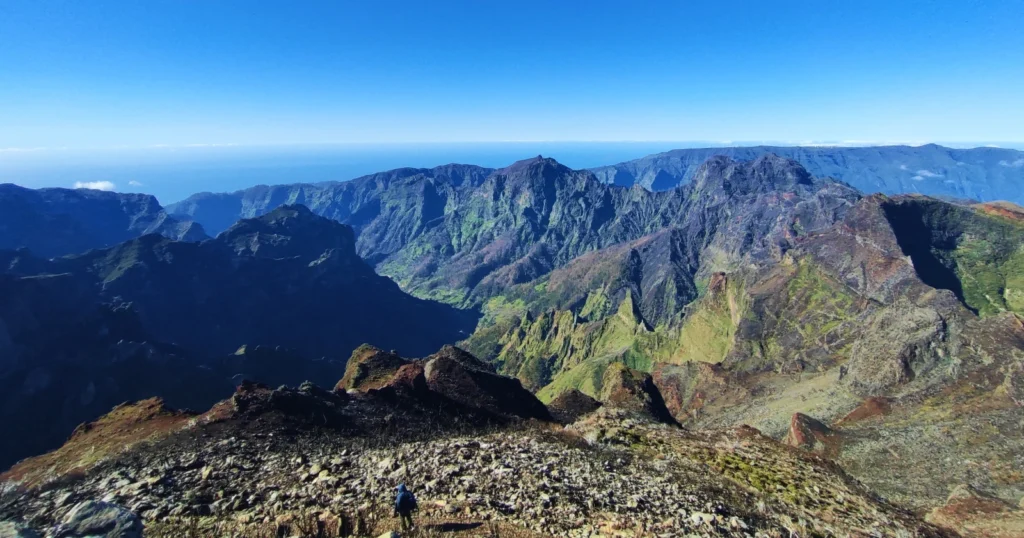
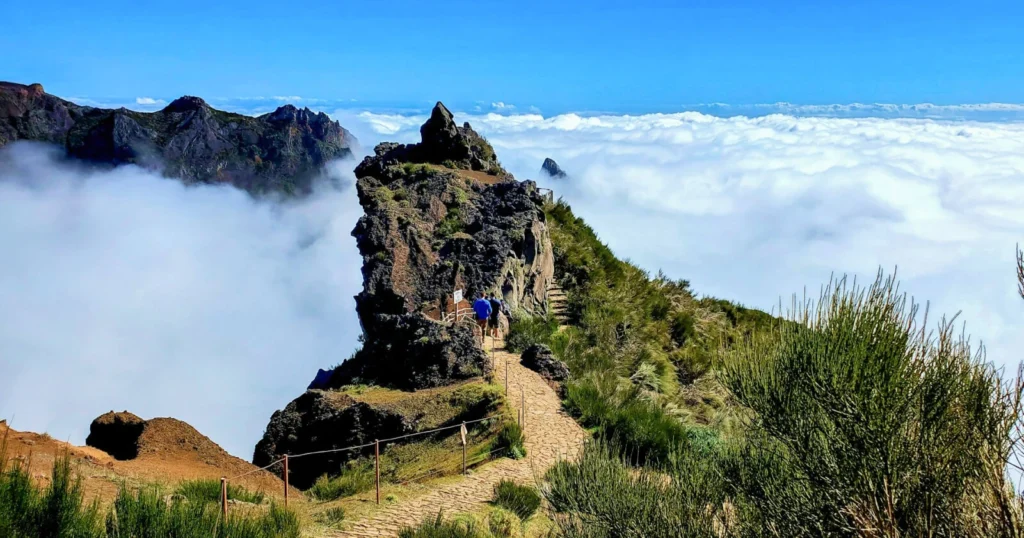
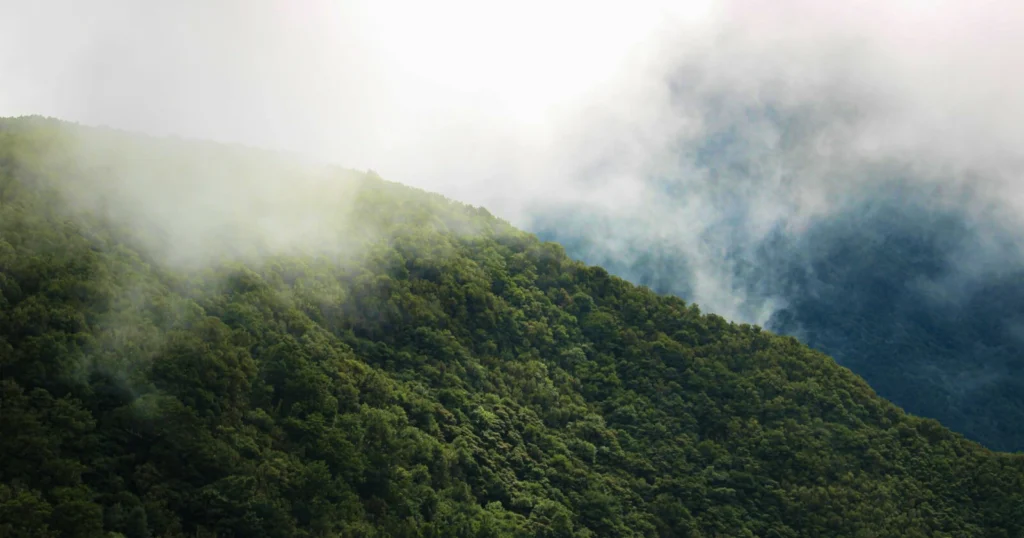
If you are planning a trip in 2026, this Madeira travel guide is your definitive resource. Often called the “Hawaii of Europe”, Madeira is a volcanic masterpiece rising from the Atlantic. It offers a rare synergy of dramatic landscapes – from the misty, ancient Fanal forest to the jagged peaks of Pico do Arieiro – and high-end European infrastructure. Whether you are an adventure seeker, a digital nomad, or a family looking for a stable and safe retreat, Madeira’s microclimates provide an “Eternal Spring” experience that is unmatched globally.
Planning Your Arrival: Flight Compensation & Expert Hacks
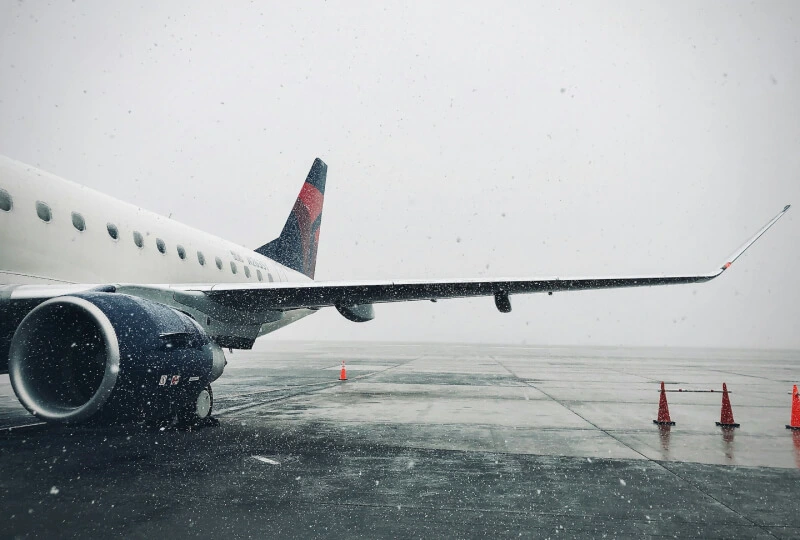
Your journey begins at Cristiano Ronaldo International Airport (FNC), a world-class engineering feat. However, the island’s unique location means Atlantic winds can occasionally disrupt schedules.
Data-Driven Travel Tip: Under EU Regulation EC 261, if your flight to or from Madeira is delayed by more than 3 hours or canceled, you may be eligible for up to €600/$650 in compensation. For many travelers, this potential “refund” covers the entire cost of their car rental. Don’t let airlines keep your money; use our expert flight compensation guide to secure your rights immediately.
Getting Around: Car Rentals vs. Public Transport
To truly experience the Hawaii of Europe, you need a strategy for mobility.
The Freedom of a Rental Car
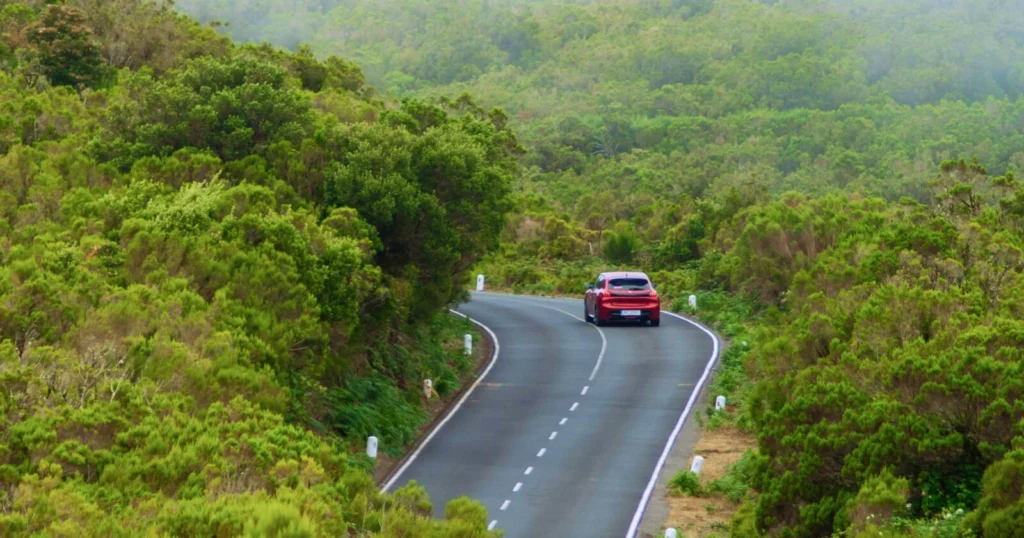
Renting a car is the most efficient way to see Madeira’s hidden gems, from remote levadas to clifftop viewpoints. While the modern tunnel network (Túneis) makes cross-island travel incredibly fast, the steep coastal roads and narrow mountain passes require confidence. To ensure a stress-free experience, we have prepared two essential resources:
- Avoid Scams: Before you book, read our Madeira Car Rental 2026: Avoid These 5 Mistakes to save money and choose the right vehicle for the island’s terrain.
- Park Like a Pro: Once you have your keys, check our Madeira Parking Guide 2026: How to Avoid Fines and Find Space for expert hacks on free parking and navigating the tight streets of Funchal.
Madeira Public Transport: The New SIGA Network & GIRO Card.
As of February 2026, Madeira has fully integrated its bus network under the SIGA brand. The old, complex zone systems used by Rodoeste and SAM have been replaced by a unified, streamlined pricing structure.
Cash Fares (Standard Option): You can still buy tickets directly from the driver with cash, but this is the most expensive method.
- Municipal (City) Ticket: approx. €2.00
- Inter-municipal (Cross-island) Ticket: approx. €2.60 (Flat rate, regardless of the distance).
The Pro Move: GIRO Card: For better value, purchase a rechargeable GIRO card (€0.50 initial cost). This card works across all SIGA buses, including the yellow Funchal city buses and the white regional coaches.
- City Fare with GIRO: approx. €1.45
- Regional Fare with GIRO: approx. €1.95
Where to Buy: GIRO cards are available at vending machines, sales points in central Funchal (Avenida do Mar), and “Payshop” locations (usually identified by a logo in kiosks or small grocery stores).
Real Costs: 2026 Budgeting Guide
Based on current data from local favorites like Taberna Madeira, here is your budget breakdown for 2026:
Dining Prices
- Soups: Traditional vegetable or tomato soup costs €4.00 – €4.50.
- Main Courses: Fresh Black Scabbard Fish (Espada) or Grilled Octopus: €18.00–€19.00. Premium Steaks: €22.00.
- Petiscos (Portions): Grilled Limpets (Lapas) or Fried Squid: €12.00–€15.00.
- Drinks: Espresso (Bica): €0.80. Wine or Poncha: €3.00–€5.00.
Activity & Tour Costs
- Whale & Dolphin Watching: €35 (Catamaran) – €45 (Speedboat).
- Full-Day Jeep Tours: Approx. €65 per person.
- Culture: CR7 Museum: €5.00. Funchal Cable Car (return): €20.00.
Madeira 2026 Event Calendar: Plan Your Trip
Align your visit with these world-class festivals to experience the true spirit of the island:
- Madeira Flower Festival (April 30th – May 31st, 2026): Funchal is covered in floral carpets and parades.
- Atlantic Festival (June 5th – 28th, 2026): Pyromusical competitions and fireworks every Saturday night.
- Madeira Wine Festival (August 23rd – September 13th, 2026): Street parties and traditional grape treading in the heart of Funchal.

Geography & Microclimates: Choosing Your Perfect Base
Madeira’s dramatic topography creates distinct microclimates across the island. Where you choose to stay will fundamentally define your experience.
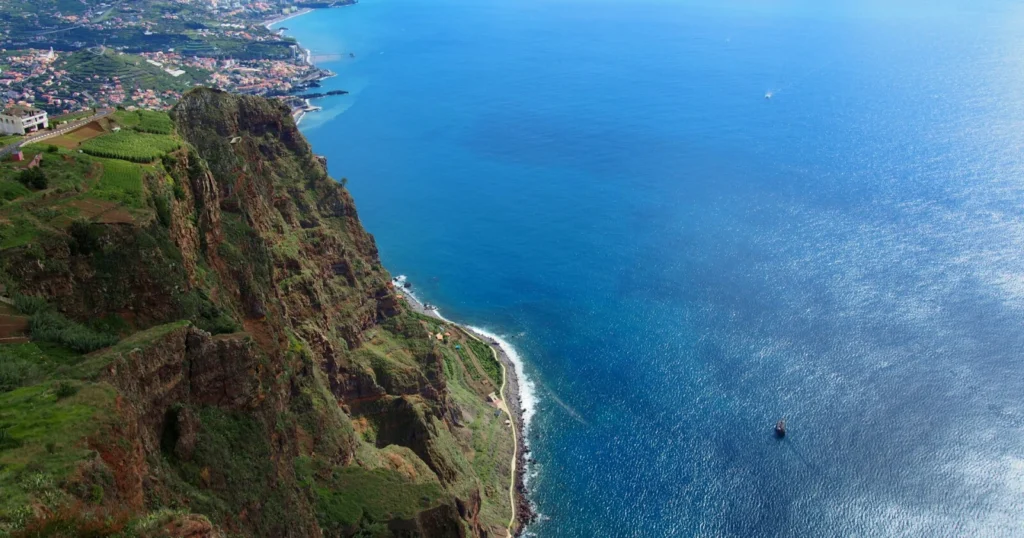
The South Coast (Funchal, Calheta, Ribeira Brava) is the sunniest and most developed region. Funchal serves as the vibrant capital, offering a rich culinary scene from Michelin-star dining to authentic local Tabernas. Further west, Calheta is famous for its man-made golden sand beach and is consistently the warmest spot on the island.
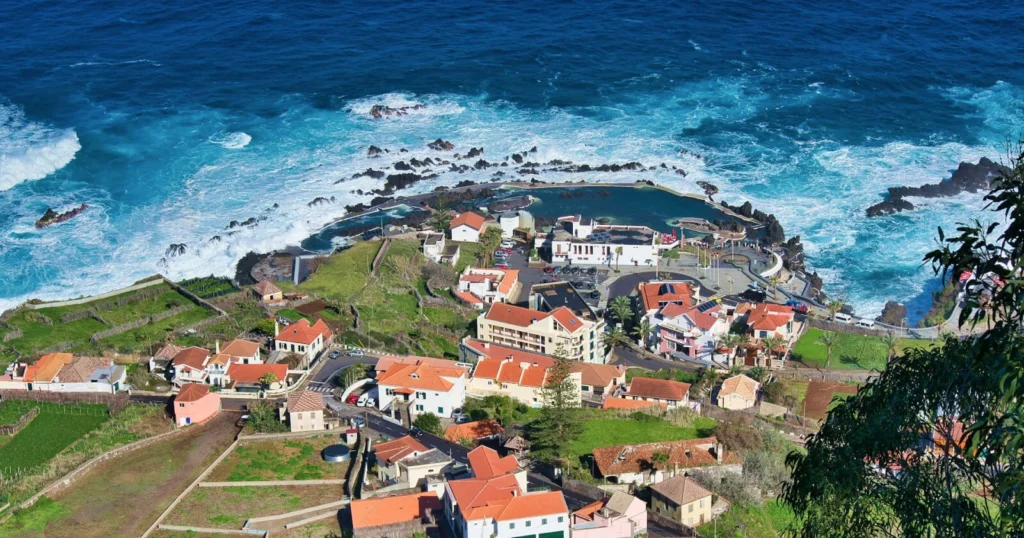
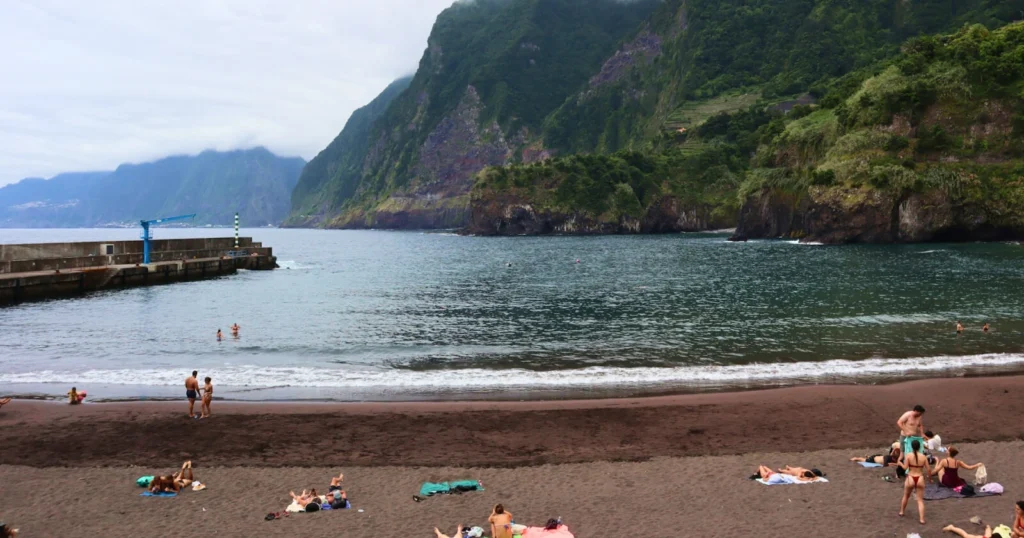
The North Coast (Seixal, Porto Moniz, São Vicente) is a paradise for those seeking raw nature. These regions offer a “Jurassic Park” aesthetic with lush greenery and vertical cliffs. Seixal features a world-class black sand beach, while Porto Moniz is famous for its natural volcanic swimming pools. Be prepared for higher humidity and more frequent mist.
The East (Caniçal, Machico) provides a stark, rugged contrast. In areas like the Ponta de São Lourenço peninsula, the terrain is arid and desert-like, offering the best coastal trekking. This region is windier but is the undisputed best location for sunrise photography.
The West (Ponta do Pargo, Paul do Mar, Jardim do Mar) is the kingdom of peace and seclusion. Ponta do Pargo sits on a high plateau and is home to the island’s most iconic lighthouse. Staying in the West guarantees the most spectacular, unobstructed sunsets as the sun dips directly into the Atlantic.
Porto Santo: The Golden Island Escape
Known for the “Best Beach in Europe,” Porto Santo’s 9km of therapeutic golden sand is a 2-hour ferry ride from Funchal. What makes this island unique is the medicinal property of its sand, rich in iodine and magnesium. The turquoise waters are crystal clear and significantly calmer than the main island, making it the ultimate 1-2 day relaxing getaway.
- Getting There: The Porto Santo Line ferry return ticket costs between €60 and €85.
- Must See: Don’t miss the Pico de Ana Ferreira basalt rock formations.
Digital Nomads & Remote Work Infrastructure
Madeira is a global leader for digital nomads. The government has invested heavily in infrastructure, specifically in the Digital Nomad Village in Ponta do Sol.
- Connectivity: Co-working spaces in Funchal and Ponta do Sol offer speeds of 500Mbps+, making it a paradise for IT professionals.
- Residency & Taxes: Madeira offers a more favorable tax environment than mainland Portugal. With specific Digital Nomad Visas and potential for permanent residency, it is an ideal location for those seeking a high-quality, tax-efficient lifestyle in a safe EU jurisdiction.
Practical Essentials: Electricity & Payments
- Power Outlets: Madeira uses Type F and Type C sockets (European two-pin). Voltage is 230V/50Hz.
- Currency: The Euro (€) is official. Cards are widely accepted, but carry cash for small mountain village cafes and bus fares.
- Water: Tap water is safe and of high quality across the island.
Safety & Travel Smarter Tips
Madeira is one of the safest destinations worldwide. However, nature demands respect. Always check mountain weather apps before hiking, never leave valuables in your rental car, and ensure you have travel insurance that covers outdoor activities.